It’s hard to believe it’s been over a year since In the Kingdom of the Sick was published. It’s been a busy spring and summer with book-related speaking events, teaching summer classes, and some medical stuff, and somehow it’s the release date for the paperback version already.
I’m really excited, and I hope that the book will reach a new audience. The issues the book raises are evergreen, and the questions I receive at panels and events and e-mails I respond to continue to advance the conversation about chronic illness in this country.
Writing a book is such an emotionally volatile process—you toil away for years, send your book out into the wide world, and if you’re lucky you get some good pub date exposure…and then life very much goes on as it was before. Well, that’s not totally accurate; I am certainly getting more sleep and sunlight now that the writing and editing and intense promotion is over, but it’s very much a process of detachment. I poured everything into each stage of the process, and now it’s out there, and I am here, teaching, writing, mothering.
I am extremely grateful for all the support the book received when it was published, from appearing on Fresh Air, getting reviewed in the Wall Street Journal, being named an Editor’s Choice for Adult Books 2013 by Booklist, to all the writers and bloggers who took the time to feature the book and post reviews and interviews. A more complete list of reviews and interviews can be found here. I am also thrilled with the opportunities I continue to receive to talk and write about gender and pain, rare diseases, prevention and public health, etc., and hope the conversations about chronic illness and the ways in which culture, science, and technology shape the experience of being a patient will keep going.
I’d love the paperback to reach new readers, and so I’m asking for a little bit of help. If you can, will you:
1. Share this post on Twitter, FB, and other sites
2. “Like” the FB page for the book to stay updated on events and relevant articles
3. Follow me on Twitter
4. If you’re read In the Kingdom of the Sick, it would be great if you posted a review on Amazon. It is important exposure, especially as the paperback debuts…
Thanks so much for your continued support, and if you pick up a paperback copy, I’d love to hear from you!
PS–Incredibly, this month marks six years since my first book, Life Disrupted, published, and it’s awesome to hear from readers regularly and know that the issues surrounding chronic illness and young adults still resonate. Thank you!
I have so many updates to share, but figured I’d start with a quick recap of the MS MuckFest 2014. As you may know, this event was the impetus for my running training program, and while the main reason we did it was to support my brother, an MS patient, and the MS Society, it was a very personal event and milestone for me.
While I love to exercise, I am not athletic. Growing up, I was either sick at home, in the hospital, or sporting a variety of casts, splints, and braces because I got injured easily and often. True story: I broke my finger typing once, that’s how brittle my bones were from steroids. Add to that my constant wheezing and coughing, and it’s easy to see why I was a bit…lacking in confidence in athletic endeavors.
I’d been feeling pretty good heading into the race—I’d run my longest stretches without stopping and maintained a decent speed all week, and the strength training I’d been doing had definitely made a difference. However, there is still so much I am learning about myself as a runner when it comes to pacing, strategy, and conditions, and let’s just say I learned a lot on April 26th.
We were part of a larger team but my husband and dear friend and I ran as a smaller pack…we certainly weren’t the fastest, but we did every obstacle, and that was one of my two major goals for the day (and I did it without breaking, straining, or spraining anything, even!) A couple of the obstacles were truly physically challenging, but most were mentally challenging, especially the ones that involved heights or extremely confined spaces. Most were things I had never done before, and I am already looking forward to next year’s event when I will have a better idea of what to expect and will run with the confidence of knowing I can do this because I have done this.
Honestly, the biggest challenge of all was the weather: It was beautiful the day before the race, but that morning it was 40 degrees and it was pouring (cold) rain the entire time. We were in the first wave and already the hilly course was so muddy and slippery that simply trying to run them to get to the next obstacle was an event. I now understand the power of the term “bone-chilling” because jumping into pools of mud in the freezing rain is pretty wretched. We could see our breath when we hosed ourselves off afterwards. Awesome.
Still, everyone there had a great attitude about it and no one complained. The way I see it, every year after this will be easy because our first year we did it in terrible conditions. Right?
Anyway, my other goal was to complete the 5K course without walking at all, and that totally didn’t happen. Most of my runs have been in fairly temperate weather, and I learned something important that day in the raw, freezing rain. I learned it again a few days later when I ran in 93-degree weather in Florida, with high humidity.
I don’t run well in extremes. Duh, right? But it’s actually more nuanced than that. Specifically, I do not start well in extreme weather.
Once we got into the meat of the race, I found my stride and was doing great, just like halfway into my run in Florida when my lungs settled down and I found a good rhythm. But within the first 20 seconds of the Muckfest, my lungs just closed right up and I was gasping before we made it to the second obstacle. I couldn’t believe it. It was like I hadn’t just spend eight weeks running 3-4 times a week and slowly building up my lung capacity. For a bleak moment I thought I was going to need to get off the course and dig up my inhaler, but I got some recovery time waiting in line for an obstacle and eventually my lungs calmed down.
I’ve since tested this a few more times, and if I start out fast, my lungs close up every time. If I start out fairly slow and stay steady with that, I have more speed and feel better later on. It takes my lungs a really long time to catch up to the work my body is doing, and unless I want to start burning, gasping, or cramping, I need to respect that is how my body works and roll with it. I’ve been reading a lot about negative splits, so this makes a lot of sense to me. I will never be fast but I’d like to be consistent and to build onto my distances—and I can only do that if I can breathe. So slower starts, especially in extreme weather, it is.
We’re already planning on next year’s MuckFest, and I have some 5K races in mind but know I need more training before I do them. My Couch-to-5K app disappeared from my phone (eight weeks of data gone!) so I’m starting over at Week 1 and focusing on adding in more speed (but not at the start!) and more hills this time around, coupled with longer treadmill runs. I still have a long way to go, but starting over with C25K has shown me that my lungs have started to adapt.
All in all, it was an awesome day. I never would seen me doing something like this, never mind enjoying it. I wasn’t fast, coordinated, or graceful, but I finished, and that’s enough for me.
There are many reasons I decided to start trying to run. Notice how I phrased that—I am still such a novice that I can’t really say “I run” and am not even close to saying “I’m a runner” but I am almost 7 weeks into the C25K program and I’ll be the first to admit I am shocked at how much I love it.
Or to be more specific, I am pretty miserable during it, but I absolutely love how I feel when I am finished, physically and mentally. Each time, I feel stronger, I feel more confident, and I also cough up more junk than I ever have with any other aerobic activity, so I know it’s doing great things for my lungs.
Ostensibly, I first started training for a 5K because I signed up to do the MS Muckfest, a 5K obstacle course in the mud. I knew the actual running would be in fits and spurts as we moved through the obstacles, but I figured if I could run that amount, I’d be in good physical shape for the event. (I’m also combining it with strength training at the gym and Jillian Michaels’ Shred workout, to build up my core and arm strength.) The event is this Saturday, and while I have a couple weeks left in the C25K program, I definitely think it’s made a huge difference.
It’s hard, of course. The first week I almost laughed at the notion I could run more than a couple minutes without getting winded. Even though I’ve exercised regularly for years, my lungs burned the first few days. A couple more weeks in, I was logging longer running spurts but wondered when I could do a whole workout without getting a cramp from improper/poor oxygenation. I played around with when I took my inhalers and used my sinus spray, and looked for flatter routes so I could just focus on breathing—hills and speed can come in time.
Seven weeks in, I look forward to it. I still have such a long way to go but my goals are changing, too—I want to do a straight 5K event, but next summer, there is a 7-mile road race I’ve always thought looked fun. I am not fast and I am not graceful, but I now know if I keep plugging away, I will keep seeing improvement in my stamina and endurance. I cheered on runners at the Boston Marathon the other day, and was so inspired by their dedication and grace. I still can’t imagine actually running 26.2 miles (huge shout-out to my friend and inspiration, Audrey, who rocked Boston the other day and looked totally amazing when I saw her at the halfway point), but I can more easily understand why people do it.
The Muckfest was a good catalyst for running, part of it is also that running has always been something I just couldn’t do, and I hate that feeling. But it’s more than simply wanting to conquer something that has always challenged me. I explained it once to my husband as we finished a run together—that second wind they tell you about? It’s totally real. That feeling of just tying up my sneakers and taking off down the road? I have never felt more free.
A lifetime of illness, of surgeries, setbacks, crises, broken bones, etc., will shake your faith in your body. The disappointments tally up, and the sense of feeling hemmed in is profound. I am very confident in other aspects of my life, but my confidence in my body to do what I want and need it to, to depend on it, has always lagged behind. (With the major caveat of carrying a baby and keeping her safe—however rocky, my body did its job then).
So those are the reasons I started trying to run. The biggest reason I am planning on sticking with it? My three-year-old daughter. She watches us run and she puts on a headband and starts running around, too. She knows we signed up for an event and she asked to run a race of her own, and is now registered. (I am not sure which she’s more excited about—the actual running part, or the official race t-shirt she will get).
I don’t care if she ever runs a 5K, I don’t care what sport she ends up playing or if she’s ever the fastest or the first—I just want her to be confident, and to feel strong.
Thank goodness it’s April! While winter often felt endless this year, now that it’s finally spring and the illnesses and setbacks are behind us, I realize I need to post some updates about some great events lined up for the next few months.
Incredibly, a year ago today was the official pub date for In the Kingdom of the Sick. I more grateful than ever for the constant support, encouragement, and enthusiasm for the book and the issues it raises, for the press and publicity it received last spring, and the ongoing interest and opportunities to discuss these issues further. The paperback version of In the Kingdom of the Sick is set to pub this July, and I’m looking forward to more events, posts, and activities leading up to that.
On May 3, my friend Cheryl Alkon and I are presenting a session on writing nonfiction/health books at Grub Street’s Muse and the Marketplace literary conference at the Boston Park Plaza Hotel. It’s a wonderful three-day event “designed to give aspiring writers a better understanding about the craft of writing fiction and non-fiction, to prepare them for the changing world of publishing and promotion, and to create opportunities for meaningful networking.” I always wanted to attend when I was in graduate school and just starting to look for an agent, so I am really thrilled to be able to present.
If you’re in the Madison, WI area, I’m participating in a panel on electronic medical records at the University of Wisconsin-Madison on May 9. It is described as “a free public dialogue exploring electronic medical records (EMRs), a rapidly disseminating technology with great potential impact,” and is free and open to the public.
More locally, I’m participating in the “Connected Patient Panel: Exploring the Role of Online Patient Support Communities, Twitter Chats and Patient Advocacy” for the New England Society for Healthcare Communication’s Spring Conference (NESHCO). It’s on Thursday, May 15, 2014 from 12-1 pm at the Mystic Marriott Hotel & Spa, Mystic, CT.
And up next on the personal side? An update on my C25K training and thoughts on why I really like running—even if I am still a struggling novice.
Thanks again for all your support, and for listening despite the unintended silences!
If you are looking to buy Ventolin inhaler online, it is important to understand what the medicine does, how to use it correctly, and when you should seek medical advice. Ventolin contains salbutamol, a fast-acting bronchodilator used to relieve bronchospasm and make breathing easier in people with asthma and other obstructive airway conditions. This guide explains the dosage form, indications, administration, precautions, and practical tips so the information is useful, easy to read, and supportive of informed purchasing decisions.
Ventolin is a metered-dose inhalation aerosol containing salbutamol as the active ingredient. Each inhaler delivers 200 doses. Every delivered dose contains micronized salbutamol sulfate 120.5 mcg, which is equivalent to 100 mcg of salbutamol. The excipient is propellant 1,1,1,2-tetrafluoroethane, up to 75 mg per dose and up to 18 g per inhaler.
Because it acts quickly, Ventolin is commonly used as a rescue inhaler. The onset of action is usually within 3 to 5 minutes, the peak effect occurs within 30 to 90 minutes, and the duration of action is generally 4 to 6 hours. For patients comparing options before they buy Ventolin inhaler products online, this fast relief profile is one of the main reasons the medication remains widely used.
Ventolin belongs to the bronchodilator class of medicines. It relaxes bronchial smooth muscle, reduces airway resistance, and helps improve airflow in the lungs. It also supports mucociliary clearance and mucus removal. At therapeutic doses, it generally does not have a significant effect on the cardiovascular system, although some patients may still notice tremor or palpitations.
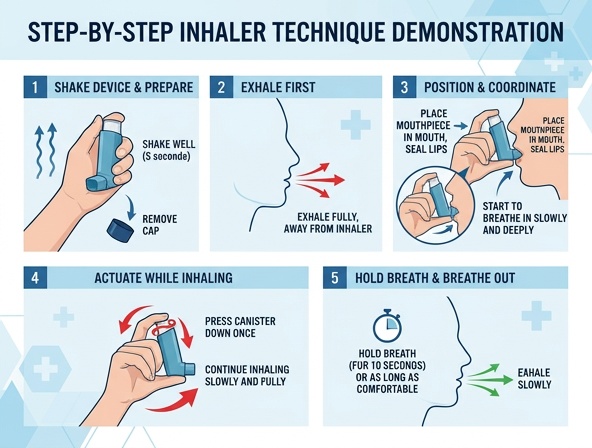
This medicine is intended for oral inhalation only. If a patient has difficulty coordinating inhalation with actuation, a spacer may be recommended. This is particularly helpful for children or adults who struggle with inhaler technique and need more reliable drug delivery to the lungs.
Who May Use Ventolin
Ventolin is indicated for the relief of acute bronchospasm in bronchial asthma. It may also be used to help prevent bronchospasm triggered by physical exertion or exposure to allergens. In addition, it can be part of complex maintenance therapy for bronchial asthma when prescribed by a healthcare professional.
Other chronic respiratory diseases in which salbutamol may be used include chronic obstructive pulmonary disease, chronic bronchitis, and emphysema. However, bronchodilators including Ventolin should not be the only therapy for severe or unstable asthma. If treatment response is insufficient, inhaled or systemic glucocorticosteroids may need to be added.
People often search online for answers about whether they can buy Ventolin inhaler quickly and use it without detailed review. Even though availability may differ by region and online pharmacy rules, a careful review of symptoms and medical history remains important. Increased need for a rescue inhaler can be a sign of worsening airway disease rather than a simple need for more medication.
Ventolin Device, Strength, and Canister Details
Ventolin inhaler listings can differ by market, active-ingredient naming, strength per actuation, device presentation, and canister capacity. A U.S. Ventolin HFA product uses its own labeling and must not be assumed identical to an Evohaler or another salbutamol/albuterol presentation sold elsewhere.
Before checkout, compare the exact device name, active ingredient, strength per actuation, stated number of actuations, canister and mouthpiece format, manufacturer information, packaging, and supplied patient instructions. These are product characteristics for matching an offer to an existing prescription, not directions for selecting how many actuations to use.
The suitable product and frequency must come from the prescription label and qualified clinical advice. If an online listing uses a different strength convention or device name from the prescribed inhaler, ask the pharmacy to identify the exact product before payment.
Match the market-specific active ingredient and device
Compare strength per actuation and canister capacity
Review prescription handling, price, and delivery terms
Use the instructions supplied with the exact inhaler
Supplied Instructions and Technique Support
Correct inhaler technique matters, but a commercial landing page should not replace the Instructions for Use supplied with the exact device. Read the leaflet in the sealed pack and ask a pharmacist, nurse, or prescriber to demonstrate the technique if the inhaler is new to you or if symptom relief appears inconsistent.
Check that the mouthpiece, cap, canister, and dose information match the product described in the listing. Storage, priming, cleaning, and actuation instructions can vary by device and market, so follow only the document supplied for the purchased inhaler.
If the offer omits the current patient leaflet or the device does not match the prescription, pause the order and contact the dispensing pharmacy before using it.
Helpful Tips for Daily Use
Keep your inhaler with you at all times, especially if you may be exposed to allergens, physical exertion, tobacco smoke, cold air, or strong odors. Many patients benefit from storing the inhaler in an easy-to-reach place such as a bag, jacket pocket, or bedside drawer, while still protecting it from excessive heat.
Track how many doses remain so you do not unexpectedly run out. Clean the device regularly because a clogged mouthpiece can interfere with proper aerosol delivery. It is also useful to record the frequency of attacks. If your need for Ventolin increases, consult your doctor to review whether your current treatment plan is still appropriate.
Do not exceed the prescribed dose. Higher use without medical supervision may increase the risk of adverse reactions such as tachycardia, tremor, or palpitations. Avoiding triggers and maintaining a broader treatment strategy can be just as important as having fast access to rescue medication.
Clean the inhaler at least once a week. Do not immerse the metal canister in water. Careful maintenance helps preserve reliable dosing and makes daily use safer and more consistent over time.
Pharmacodynamics and Pharmacokinetics
Salbutamol is a selective beta2-adrenergic agonist. It relaxes smooth muscle in the bronchi, relieves bronchospasm, lowers airway resistance, and increases vital capacity. It also improves mucociliary clearance and activates ciliated epithelium, helping mucus move more effectively through the respiratory tract.
After inhalation, around 20% of the dose reaches the lower respiratory tract. The remainder is swallowed and partially metabolized in the liver. Plasma protein binding is approximately 10%. Excretion occurs mainly through the kidneys as unchanged drug and metabolites, and the half-life is around 4 to 6 hours.
Contraindications and Cautions
Ventolin should not be used in patients with hypersensitivity to any of its components. It is also contraindicated in threatened abortion, premature labor, and in children under 2 years of age.
Caution is advised in patients with tachyarrhythmias, coronary artery disease, severe heart failure, hypertension, thyrotoxicosis, diabetes mellitus, glaucoma, seizure disorders, and renal or hepatic insufficiency. If you have one of these conditions and plan to buy Ventolin inhaler online, review the purchase with a healthcare professional to make sure the medication is appropriate for you.
Pregnancy, Lactation, and Side Effects
During pregnancy, the drug should be prescribed only when the expected benefit to the mother outweighs the potential risk to the fetus. Salbutamol passes into breast milk, so breastfeeding use is generally limited to situations with clear medical justification.
Common side effects include tremor, headache, and tachycardia. Uncommon reactions include throat irritation, muscle cramps, and palpitations. Rare reactions include hypokalemia and vasodilation. Very rare adverse effects may include hypersensitivity reactions, paradoxical bronchospasm, arrhythmias, hypotension, hyperactivity, and lactic acidosis.
If breathing worsens immediately after inhalation, stop use and seek medical help right away, as paradoxical bronchospasm can be serious. Patients should also be careful to avoid unnecessary eye exposure during use.
Special Instructions and Overdose
Asthma therapy should be managed in stages and under regular medical supervision. If the need for inhaler use increases, the treatment regimen should be reconsidered, including possible adjustment of anti-inflammatory therapy such as glucocorticosteroids.
Overdose may be accompanied by tachycardia, tremor, and hypokalemia. In such cases, medical attention is required. Patients are advised not to exceed the prescribed dose, not to use the inhaler unnecessarily, and to seek reassessment if symptom control worsens.
Storage and Shelf Life
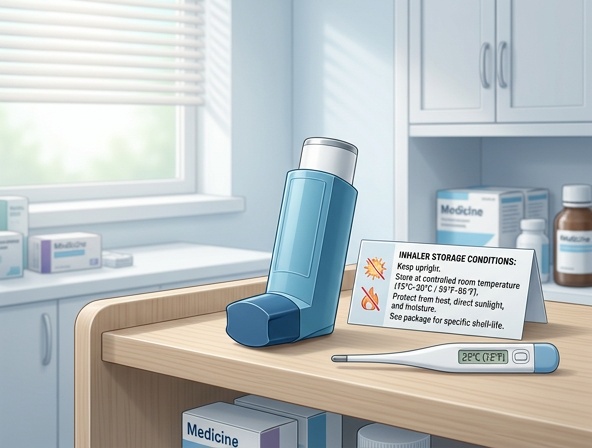
The Ventolin inhaler should be stored at room temperature not exceeding 30°C, away from direct sunlight and heat sources. The canister is pressurized, so it should not be punctured, disassembled, frozen, or thrown into a fire, even when empty.
Store the inhaler upright with the valve facing down and keep it out of reach of children. The shelf life is 2 years from the date of manufacture. Do not use the product after the expiration date because the active ingredient may lose effectiveness or change its properties. It is also wise to inspect the canister and delivery mechanism regularly and avoid use if the device appears damaged.
Official U.S. Ventolin HFA Information
For an independent check of the U.S. Ventolin HFA active ingredient, strength per actuation, canister presentation, patient information, and device-specific Instructions for Use, review the official GSK Ventolin HFA prescribing information. Use it only for the matching U.S. product; a differently labeled inhaler requires its own official leaflet.
Where to Buy Ventolin Inhaler
Many patients compare online options when they want to buy Ventolin inhaler at a competitive price. When choosing a pharmacy website, look for clear product information, delivery details, availability, and guidance on proper use. Reliable listings should help you understand what you are ordering and how the medication should be stored and used.
If you are reviewing Ventolin prices in pharmacies, pay attention not only to the listed price but also to shipping costs, delivery timing, and whether the seller provides detailed product instructions. A trustworthy online ordering experience should support both convenience and patient safety.
Before purchase, remember that the best results come from using Ventolin as part of a broader plan for respiratory health. Fast access to medication is valuable, but symptom monitoring and physician follow-up remain essential when attacks become more frequent or severe.
Conclusion
Ventolin is an effective and well-studied medication for the rapid relief of asthma symptoms and other conditions associated with bronchospasm. It can help restore breathing within minutes and usually provides relief for 4 to 6 hours. It may be useful both for relief of acute attacks and for prevention of bronchospasm before exercise or allergen exposure.
At the same time, Ventolin does not eliminate the underlying cause of airway disease. If you need the inhaler more often or notice reduced effectiveness, consult a doctor for treatment adjustment. With correct technique, appropriate monitoring, and informed purchasing decisions, patients can use Ventolin more safely and effectively.
It has been an extremely cold winter here in Boston (and from the sounds of it, so many places around the country.) Between absolutely frigid temperatures, a lot of snow and ice, and two rounds of viruses that lasted several weeks, I’ve had false starts with the Couch to 5K running program.
Wait, yes, you heard that right. I am attempting to run. On April 26th, my intrepid husband, brother, and some good friends are doing the MS MuckFest 2014 in Devens, MA., a 5k obstacle course in the mud. One of my brothers was diagnosed with multiple sclerosis six years ago, and my husband thought this would be a great way to show our support and would also be a great motivation for us to train together and do something together that is out of our mutual comfort zone together.
(Obligatory if completely sincere plug here: if you’re local and would like to join our team, we’d love the company! If you’d like to donate, you can do that, too.)
Now for some context, I actually really enjoy exercise and, illness and infections pending, I do it regularly. I’ve done years of ellipticals and Stair Masters, and more recently have really enjoyed classes (yoga, Zumba, hip hop, etc.) and home training workouts like Jillian Michaels’ Shred. It’s great for my mind and my stress levels, but pragmatically speaking, it is really important for people with PCD to move around and shake up these lungs of ours—ideally, this helps us cough and clear things out.
I am not at all athletic, but I have fun and I know my muscles are getting stronger, and know that is good for so many things. But I have never, ever been able to run. Ever. My chest tightens and I wheeze fairly quickly, and I get short of breath in a way I don’t in any other activity.
My goal is to be able to run a straight 5K prior to the obstacle course, because that would put me in pretty good shape physically and well, because I have never been able to run and I really want to be able to. Honestly, I am a little scared because for years I’ve told myself I can’t run, so it’s a big shift in thinking. I keep telling myself that lungs are muscles and though it might take longer than it does for other parts of my body to acclimate, and it might take longer than it would for someone without PCD and bronchiectasis, if I just take it step by step I can build up my lung capacity and train myself to breathe better when I run.
From friends and online forums, here are some basic tips I’m keeping in mind:
1. Start gradually—this is why an app like C25K makes a lot of sense to me
2. Breathe through your nose, since it warms the air and is better for your lungs
3. Cover your face in really cold weather, since the cold air effect is much more pronounced
Runners out there, what else would you tell a newbie like myself? And people with chronic illness and in particular, those with respiratory challenges, what helped you conquer the running demon? I appreciate any and all insights you have to offer!
I framed last year’s New Year’s post with the notion of the competing forces of joy and sadness, hope and despair, and guilt and acceptance—so often, it seems like the most incredible and most difficult experiences happen at the same time. I knew going into 2013 that it would be an important year in many respects—my book was slated to come out in April and there would be a lot of events around that, I was teaching an especially heavy course load, and more than any of that, we were watching my father deteriorate and hoping he would undergo a kidney transplant in time to save his life.
So while I knew 2013 had the potential to be a big year in many respects, I couldn’t have predicted just how intense it would be—because even the best things can be incredibly draining, and when so many huge, life-altering things happen at the same time, regardless of how positive some of them are, it is still just intense.
I didn’t know I’d watch my father’s life be saved twice, once through an incredible living donor kidney transplant last spring, and just when we thought we could exhale, a completely unexpected triple bypass this fall. I didn’t know both my parents would end up having surgery at the same time and that we’d spend weeks shuttling between different hospitals and rehabs.
I hoped I’d have a lot of publicity for the book, but I couldn’t have predicted that I’d appear on Fresh Air with Terry Gross or publish an Op-Ed on gender and pain in the NYT, goals of mine I never thought were entirely realistic. (And as an example of just how concurrent everything really was, my Op-Ed came out the very same week of the kidney transplant—I picked up my first copy en route to visit my Dad.)
Some of my Boston-area book readings took place the week the Boston Marathon bombing and manhunt took over my beloved city, which was also the last week of classes, and several of my students had been medical volunteers at the finish line and were going through a lot. All in all, it took me most of the summer to recover from the physically and emotionally punishing schedule (21-hour days were the norm) of the spring.
So personally and professionally, online and offline, it was a huge year, at times breathtaking and humbling in its richness and opportunity, as well as in its fear and in its losses.
I am grateful. I am starting to exhale. Slowly, I am finding my voice again. And after a year of so many big things, I am very much looking forward to a year of focusing on the smaller joys, and being more conscious and deliberate with my time and priorities.
So many things have changed since the beginning of 2013, and above all else, this is what I carry from into 2014: If you are in the right place, doing the things you’re meant to do and surrounded by the right people, everything will eventually work out—one step at a time.
More recently, the ideas aren’t so easy. Part of it is just plain old burnout, the inevitable physical and emotional fallout of the intensive process of researching, writing, revising, and promoting a book. If I don’t have a strong idea, I just don’t write. I can’t, so I wait until it feels right. It’s not an ideal way to keep up subscriber numbers and analytics, but it’s how I roll.
But it’s more than that, I think. I have a job, I have a writing career, I have a preschooler and a husband who deserve the best of me, I have family members with medical needs. The other spheres of my life take up so much of my head and my heart that there isn’t a lot of room left to talk about or think about chronic illness or to be a patient. This is partly possible because I am pretty stable right now and don’t have to deal with the major upheavals of my own hospitalizations and setbacks. It’s a lot harder to ignore chronic illness when its needs are immediate and non-negotiable.
Don’t get me wrong, illness is a part of my everyday life, from the crazy scheduling maneuvers to work in chest physiotherapy every day (or late at night, as it were) to running out of breath when I’m reading bedtime books to my daughter to the days when I just have no energy and wonder how I’ll last the long commute home. But papers still need to be graded, deadlines still need to be met, my daughter still has swim class, and the household still needs running. In many ways, I can’t afford to be slowed down by illness right now, and while I recognize such stability is borrowed time, I’m grateful for it when I have it.
Slowly, though, the ideas are starting to percolate again. I’m pitching ideas to editors. I’m posting here. I’m being more discerning about how much I say “yes” to and learning to say “no” more. Maybe they aren’t as personal and anecdotal about living with illness as they once were, but the ideas are there nonetheless. As a writer and as a patient, I’m just in a different place, but I’m starting to see that too is an inevitable thing, and I’m figuring out how to make these changing identities coalesce a little better.
Amoxil, the brand name for amoxicillin, remains one of the most widely used aminopenicillin antibiotics because it is effective, well tolerated, and available in multiple dosage forms. When people search for an amoxicillin over the counter alternative, highlight the fact that safe antibiotic therapy still requires a professional assessment, even when ordering through verified online pharmacies.
Amoxicillin is a beta-lactam antibiotic in the penicillin class that inhibits bacterial cell wall synthesis, resulting in a bactericidal effect against a broad range of susceptible organisms. In many countries amoxicillin is prescription-only, and any discussion of an amoxicillin over the counter alternative should remind patients that a medical evaluation is essential before starting or continuing therapy.
Dosage Form & Composition
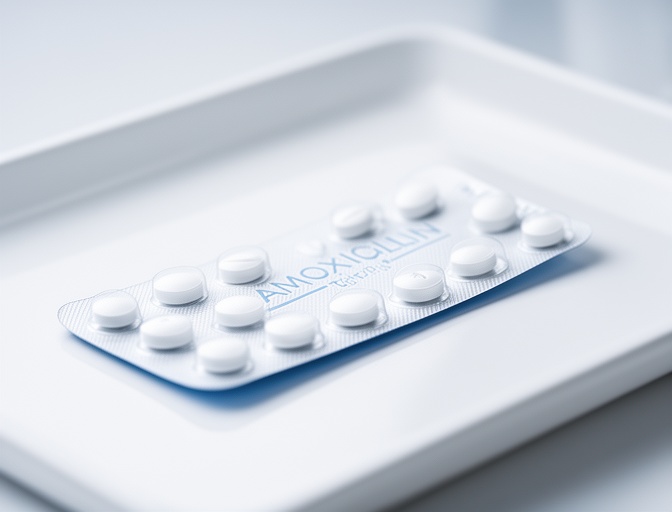
Standard oral presentations include tablets, capsules, and powders for oral suspension, with the most common strength being 500 mg of active amoxicillin per tablet. Excipients vary by manufacturer and may include corn starch, lactose monohydrate, microcrystalline cellulose, crospovidone, magnesium stearate, talc, and similar constituents that promote stability and dissolution.
Typical tablet strength: 500 mg active ingredient (other strengths, such as 250 mg or 875 mg, are widely available).
Oral suspension: particularly useful in pediatrics and for patients unable to swallow tablets.
Coating components: hypromellose, macrogol-4000, propylene glycol, titanium dioxide, and approved colorants to aid swallowing and protect the core.
While the formulation is safe when used correctly, patients exploring an amoxicillin over the counter alternative should check that each product clearly states the active ingredient, dose strength, and registered manufacturer.
Pharmacological Action & Spectrum
Amoxicillin is a broad-spectrum aminopenicillin that binds penicillin-binding proteins to interrupt peptidoglycan synthesis, causing instability of the bacterial cell wall and lysis of dividing bacteria. Its spectrum includes many Gram-positive cocci and select Gram-negative rods, provided the strains do not harbor beta-lactamases capable of inactivating the drug.
Susceptible organisms: Streptococcus pyogenes, Streptococcus pneumoniae (non-resistant strains), Haemophilus influenzae (non–beta-lactamase producers), and other common pathogens.
Resistance concerns: penicillinase-producing Staphylococcus aureus and some Gram-negative rods reduce the clinical utility of standard amoxicillin.
Clinical relevance: susceptibility testing and knowledge of regional resistance patterns guide safe use.
When resistance is present or suspected, clinicians often choose combination therapy or alternative agents, reaffirming that an amoxicillin over the counter alternative should be confirmed for effectiveness before treatment.
Indications and Precautions
Amoxicillin treats confirmed bacterial infections, such as acute bacterial sinusitis, otitis media, streptococcal pharyngitis, uncomplicated urinary tract infections, some lower respiratory tract infections, and early Lyme disease. Use only when the pathogen is known or strongly suspected to be susceptible.
Contraindications: known allergy to penicillins or other beta-lactams, history of severe hypersensitivity, or previous anaphylaxis.
Precautions: renal impairment, infectious mononucleosis (risk of rash), and neurologic disorders (risk of seizures at high doses in renal dysfunction).
Drug interactions: probenecid, bacteriostatic antibiotics, anticoagulants, and others may alter amoxicillin pharmacokinetics or efficacy.
Monitoring for allergic reactions, pseudomembranous colitis, Jarisch–Herxheimer response during Lyme therapy, and crystalluria is critical. Patients should understand that even if they encounter sites marketing non-prescription amoxicillin, only licensed professionals can confirm the appropriateness of such therapy.
Dosage and Duration Guidance
Dosing depends on infection type, severity, renal function, age, and weight. Mild to moderate adult infections often receive 250–500 mg orally every 8 hours, while severe infections may require higher doses or combination regimens. Maintaining the prescribed schedule and completing the course avoids resistance.
Typical regimen: 500 mg every 8 hours or 875 mg twice daily depending on indication.
Severe infections: 1 g every 8 hours, sometimes with clavulanate for beta-lactamase producers.
Never self-adjust or substitute therapy when considering an amoxicillin over the counter alternative without medical input.
Sourcing Responsibly: OTC Alternatives
Some licensed online pharmacies in Canada and other jurisdictions can legally dispense amoxicillin after remote consultation. They review symptoms, medical history, and indicate proper dosing, while educating patients about potential risks. Always verify that any platform provides transparent information on the active ingredient, dosage form, manufacturer, and contact details.
Avoid vendors offering antibiotics without medical screening or documentation.
Choose pharmacies that comply with regulatory standards in your country.
Discuss any intended amoxicillin over the counter alternative or online order with your attending clinician.
Wise antibiotic stewardship benefits individual patients and supports global efforts to limit antimicrobial resistance.
It’s been almost three months since I’ve written, an unintended break that’s been weighing on me.
In August, a pretty serious health crisis happened to my father (and only a few months out from a kidney transplant, it was particularly complicated), one we hadn’t seen coming at all.
“It’s like standing at the edge of the universe,” one of his surgeons said to the two of us, referring to what would happen if we didn’t proceed with the major (and risky) surgery. And that one phrase seems to encapsulate the experience of acute, serious illness so well.
Overnight, my siblings and our spouses were whisked out of our daily lives and into waiting rooms and consultation rooms. The waiting, that is the all too familiar part—we have a routine now. We bring iPads and laptops, share phone chargers and delegate “to call” lists for updates. One makes coffee runs, another is responsible for cracking the jokes, another serves as the contact person for the surgeon and the floor. I usually take the pre-op shift so I can lay eyes on him before he is wheeled back; once he’s in recovery, someone else stays on later.
Since my father provides a lot of care for my mother, we split our time between his ICU and step-down floors and doing overnights at her house, and then after she too had surgery, we traded visits between different hospitals, rehab centers and respite care facilities.
More than two months after it all started, both parents are now home together and settling in. Both are recovering well, and have a renewed sense of hope and possibility.
There is much to say about this experience: the amazing opportunities medical science and premium health care offer, the stress of illness on families, how fortunate I felt I had siblings to help dig through the trenches. But for now, all I will say is we’ve pulled back from our perch at the edge of the universe, from the tense, draining unknown.
Things are calmer now, more predictable. I’ve found a groove with my courses, our new schedule, and lots of other changes. I hope to back here more regularly, and back at my usual writing spots like WBUR’s Cognoscenti and Psychology Today.