


Amoxil, the brand name for amoxicillin, remains one of the most widely used aminopenicillin antibiotics because it is effective, well tolerated, and available in multiple dosage forms. When people search for an amoxicillin over the counter alternative, highlight the fact that safe antibiotic therapy still requires a professional assessment, even when ordering through verified online pharmacies.
Table of Contents
Amoxil (Amoxicillin) Overview
Amoxicillin is a beta-lactam antibiotic in the penicillin class that inhibits bacterial cell wall synthesis, resulting in a bactericidal effect against a broad range of susceptible organisms. In many countries amoxicillin is prescription-only, and any discussion of an amoxicillin over the counter alternative should remind patients that a medical evaluation is essential before starting or continuing therapy.
Dosage Form & Composition
Standard oral presentations include tablets, capsules, and powders for oral suspension, with the most common strength being 500 mg of active amoxicillin per tablet. Excipients vary by manufacturer and may include corn starch, lactose monohydrate, microcrystalline cellulose, crospovidone, magnesium stearate, talc, and similar constituents that promote stability and dissolution.
- Typical tablet strength: 500 mg active ingredient (other strengths, such as 250 mg or 875 mg, are widely available).
- Oral suspension: particularly useful in pediatrics and for patients unable to swallow tablets.
- Coating components: hypromellose, macrogol-4000, propylene glycol, titanium dioxide, and approved colorants to aid swallowing and protect the core.
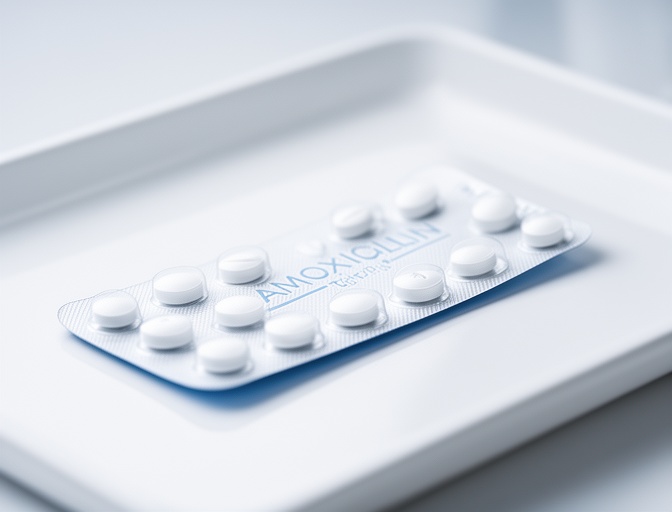
While the formulation is safe when used correctly, patients exploring an amoxicillin over the counter alternative should check that each product clearly states the active ingredient, dose strength, and registered manufacturer.
Pharmacological Action & Spectrum
Amoxicillin is a broad-spectrum aminopenicillin that binds penicillin-binding proteins to interrupt peptidoglycan synthesis, causing instability of the bacterial cell wall and lysis of dividing bacteria. Its spectrum includes many Gram-positive cocci and select Gram-negative rods, provided the strains do not harbor beta-lactamases capable of inactivating the drug.
- Susceptible organisms: Streptococcus pyogenes, Streptococcus pneumoniae (non-resistant strains), Haemophilus influenzae (non–beta-lactamase producers), and other common pathogens.
- Resistance concerns: penicillinase-producing Staphylococcus aureus and some Gram-negative rods reduce the clinical utility of standard amoxicillin.
- Clinical relevance: susceptibility testing and knowledge of regional resistance patterns guide safe use.

When resistance is present or suspected, clinicians often choose combination therapy or alternative agents, reaffirming that an amoxicillin over the counter alternative should be confirmed for effectiveness before treatment.
Indications and Precautions
Amoxicillin treats confirmed bacterial infections, such as acute bacterial sinusitis, otitis media, streptococcal pharyngitis, uncomplicated urinary tract infections, some lower respiratory tract infections, and early Lyme disease. Use only when the pathogen is known or strongly suspected to be susceptible.
- Contraindications: known allergy to penicillins or other beta-lactams, history of severe hypersensitivity, or previous anaphylaxis.
- Precautions: renal impairment, infectious mononucleosis (risk of rash), and neurologic disorders (risk of seizures at high doses in renal dysfunction).
- Drug interactions: probenecid, bacteriostatic antibiotics, anticoagulants, and others may alter amoxicillin pharmacokinetics or efficacy.

Monitoring for allergic reactions, pseudomembranous colitis, Jarisch–Herxheimer response during Lyme therapy, and crystalluria is critical. Patients should understand that even if they encounter sites marketing non-prescription amoxicillin, only licensed professionals can confirm the appropriateness of such therapy.
Dosage and Duration Guidance
Dosing depends on infection type, severity, renal function, age, and weight. Mild to moderate adult infections often receive 250–500 mg orally every 8 hours, while severe infections may require higher doses or combination regimens. Maintaining the prescribed schedule and completing the course avoids resistance.
- Typical regimen: 500 mg every 8 hours or 875 mg twice daily depending on indication.
- Severe infections: 1 g every 8 hours, sometimes with clavulanate for beta-lactamase producers.
- Renal adjustments: extend dosing intervals for creatinine clearance below 30 mL/min.
Never self-adjust or substitute therapy when considering an amoxicillin over the counter alternative without medical input.
Sourcing Responsibly: OTC Alternatives
Some licensed online pharmacies in Canada and other jurisdictions can legally dispense amoxicillin after remote consultation. They review symptoms, medical history, and indicate proper dosing, while educating patients about potential risks. Always verify that any platform provides transparent information on the active ingredient, dosage form, manufacturer, and contact details.
- Avoid vendors offering antibiotics without medical screening or documentation.
- Choose pharmacies that comply with regulatory standards in your country.
- Discuss any intended amoxicillin over the counter alternative or online order with your attending clinician.
Wise antibiotic stewardship benefits individual patients and supports global efforts to limit antimicrobial resistance.


